

The Importance of Healthy Septic Systems for Healthy Waters
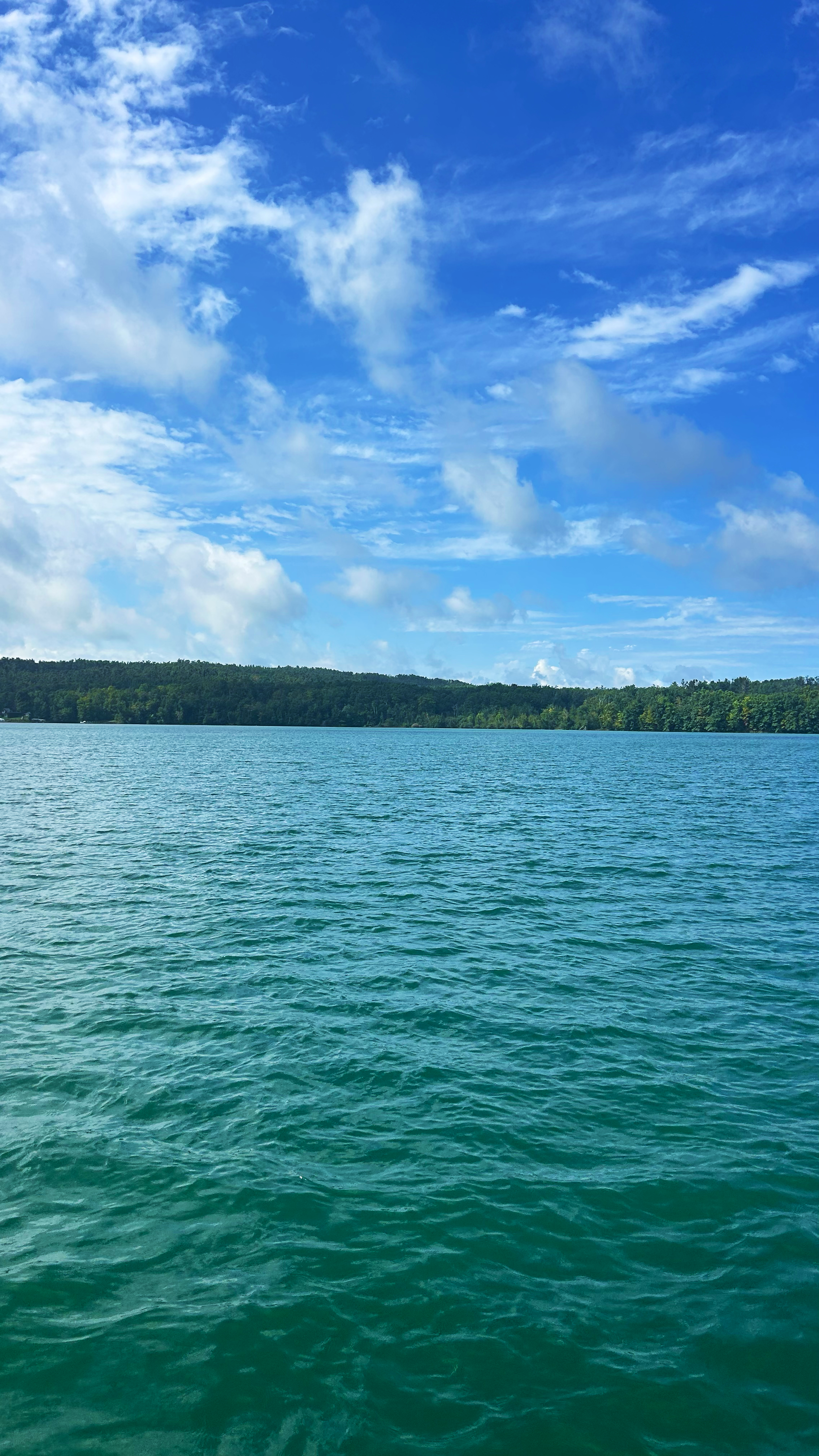
Walloon Lake’s clear water, healthy shorelines, and thriving aquatic habitat are among the top reasons this area is so precious to so many of us. Protecting them requires more than good stewardship on the water and within the Walloon Lake Association and Conservancy preserves. It also depends on what happens underground at homes throughout the entire watershed.
For most homeowners around Walloon Lake, septic systems quietly work every day to treat wastewater from kitchens, bathrooms, laundry rooms, and other household uses. When these systems are functioning properly, they help protect groundwater and keep pollutants out of the lake. When they fail, however, they can contribute to water quality problems that affect the entire watershed and the health of Walloon Lake.
Understanding how your septic system works and maintaining it properly is one of the most important things you can do to protect this incredible resource we all love.
How a Septic System Works
Most homes around Walloon Lake are not connected to a municipal sewer system and instead rely on an onsite (or sometimes community) septic system to treat household wastewater. These systems use a combination of engineered infrastructure and natural soil processes to safely treat water from sinks, showers, toilets, laundry, and dishwashers.
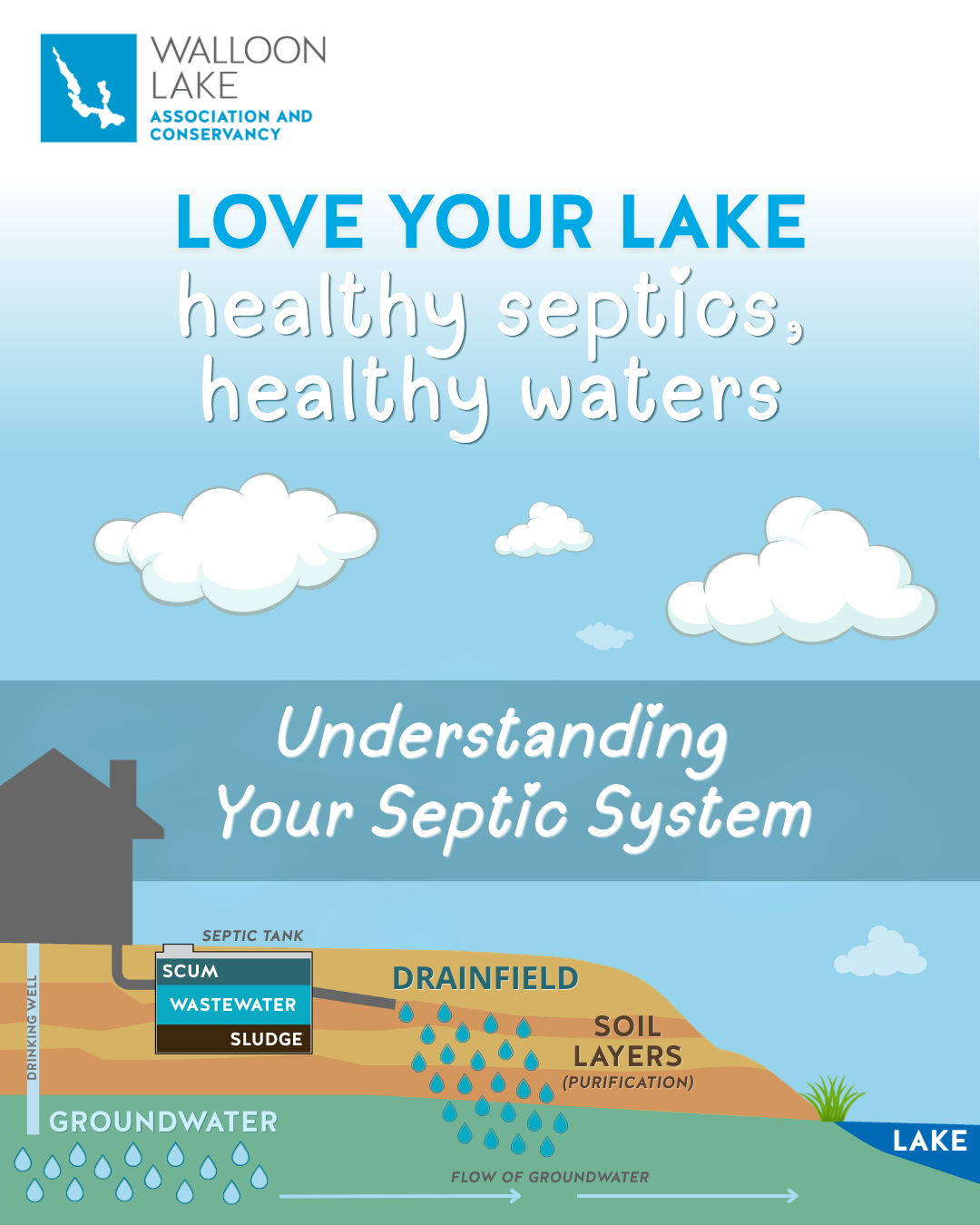
A typical septic system consists of two primary components: the septic tank and the drainfield.
When wastewater leaves the home, it flows into a buried, watertight septic tank usually made of concrete, fiberglass, or polyethylene. Its job is to hold wastewater long enough to allow solids to settle to the bottom, forming sludge, while oils and grease float to the top as scum. Between these layers is liquid wastewater. The tank is designed to separate these materials and prevent solids from leaving the tank.
The liquid wastewater flows from the tank into a drainfield, where it slowly filters through the surrounding soil. As the water moves through the soil, natural processes remove harmful bacteria, viruses, and nutrients before the water reaches groundwater.
When functioning properly, a septic system effectively treats wastewater without homeowners ever seeing the process at work.
The Connection Between Septic Systems, Groundwater, and Walloon Lake
Because septic systems discharge treated water below ground on the owner’s property to a drainfield, it’s easy to assume their impacts end at the property line. In reality, every septic system is connected to a much larger watershed.
After wastewater exits the drainfield, it eventually enters the groundwater system. Groundwater moves through the landscape and feeds nearby drinking water wells, streams, wetlands, and lakes, including Walloon Lake.
When a septic system is properly maintained, the surrounding soil does much of the final treatment work before the wastewater reaches groundwater. However, if a system is overloaded, damaged, or failing, pollutants may contaminate the groundwater. These pollutants can include nutrients such as nitrogen and phosphorus that can fuel algal blooms and affect water quality, as well as disease-causing pathogens and chemicals.
Maintaining a healthy septic system is one of the most direct actions homeowners can take to help protect the water quality of Walloon Lake.
Routine Maintenance and Pumping: An Investment in Clean Water
A septic system may be out of sight, but it should never be out of mind.
The EPA recommends having a conventional household septic system inspected by a qualified professional at least every three years. Most septic tanks need to be pumped every three to five years, although the actual schedule depends on household size, water use, and tank capacity.
This is especially important in seasonal lake communities. A home that sits partially vacant during the winter may suddenly host children, grandchildren, and summer guests for weeks at a time. More people mean more showers, more laundry, more dishwasher cycles, and more wastewater entering the system.
A septic system that performs adequately for four people may experience significantly greater stress when accommodating eight or ten. While occasional guests are expected, extended periods of heavier use can accelerate the accumulation of solids and increase strain on the drainfield. If the drainfield becomes overloaded with too much liquid, it can flood, causing sewage to surface or create backups in toilets and sinks.
What to Watch For: Signs of Septic Failure
Septic systems often show warning signs before a major failure occurs. Recognizing these early indicators can help prevent expensive repairs and reduce the risk of environmental impacts.
Common signs include:
- Slow-draining sinks, tubs, or toilets
- Wastewater backing up into household plumbing
- Pooling water around the septic tank or drainfield
- Bright green or unusually lush grass over the drainfield
- Persistent sewage odors outdoors
- Muddy or saturated soil near system components
These symptoms may indicate that wastewater is not being adequately treated before reaching the surrounding environment.
When septic systems fail, untreated or partially treated wastewater can enter groundwater, introducing pathogens, chemicals, and nutrients that would otherwise be filtered through healthy soils. Because groundwater is connected to drinking water wells, streams, wetlands, and lakes, septic failures can affect not only individual properties but the overall health of the broader watershed.
If you notice any of these warning signs, contact a qualified septic professional as soon as possible. Addressing problems early can not only save thousands of dollars but can also help protect local water resources.
Septic Smart: Best Practices
Most septic problems don’t develop overnight. More often, they result from years of everyday habits that gradually place stress on the system.
A healthy septic system depends on two things: allowing wastewater to move through the system as intended and supporting the natural biological processes that break down waste. Homeowners can help by being mindful of what enters their drains and by avoiding practices that introduce unnecessary solids, grease, chemicals, or excessive amounts of water into the system.
Water use is another important consideration. Every gallon that leaves your faucets, showers, appliances, and toilets eventually ends up in your septic system. Conserving water, repairing leaks, and spreading out high-water-use activities can help prevent the system from becoming overloaded and allow wastewater adequate time to be treated.
This can be especially important during the summer months when lake homes often welcome family and guests and experience significantly higher water usage.
Homeowners should also take care to protect the drainfield, which plays a critical role in the treatment process. Parking vehicles on drainfield areas, directing large amounts of stormwater toward the system, or allowing roots to interfere with underground components can reduce the drainfield’s effectiveness and shorten the lifespan of the system.
Ultimately, being septic smart comes down to a combination of routine maintenance and thoughtful household practices. Small actions, repeated over time, help protect your investment, your groundwater, and the health of Walloon Lake for future generations.
Septic Smart Resource
See our Septic Smart Do’s & Don’ts Guide for practical tips to help extend the life of your septic system and protect Walloon Lake’s water quality.
See our “Understanding your Septic System“ graphic for an overview of how your system interacts with the environment.
Visit our Love Your Lake: Healthy Septics, Healthy Waters page for more information.
Stewardship Starts at Home
Protecting Walloon Lake requires collective action across the watershed. While shoreline restoration projects, water quality monitoring, and conservation efforts all play important roles, one of the most powerful stewardship actions begins right at home.
Loving our lake means caring for what lies beneath. A properly maintained septic system protects groundwater, reduces pollution risks, safeguards public health, and helps preserve the exceptional water quality that makes Walloon Lake such a special place to live, visit, and enjoy.